Sanya Travel Guide: Six Places Worth Visiting (with a Five-Day Itinerary)
Sanya sits at the southern tip of Hainan Island, the southernmost prefecture-level city in China. Its name comes from the Li language, meaning "egret field," written in Chinese as 三亚 by way of the Hainan Min reading. The old names were Yazhou and Ya County, and the city is also called Lucheng, Deer City, after the legend of Luhuitou. It is warm all year, with January averaging a little over 22°C and June, the hottest month, averaging 29.5°C — a famous tropical seaside resort. Every entry on this list has had its origins checked against public sources. Tianya Haijiao is Sanya's symbol; the Nanshan zone holds the 108-meter statue of Guanyin; Luhuitou is the hill for a whole-city view; Dadonghai is the closest beach to downtown; Yalong Bay has seven kilometers of sand; and Wuzhizhou Island is the place for diving.
When to come to Sanya
Sanya has a tropical savanna climate, with a wet season from May to October and a dry season from November to April; the annual average temperature is 26.5°C and rainfall about 1,417 millimeters. The best months to travel are October through March — clear days, and sea temperatures that make winter swimming comfortable. The weeks around Chinese New Year are the busiest of the year, with hotel and flight prices to match; skip them if you want to save. From June to October watch the typhoons, which can close beach activities and delay flights. Sanya is a winter-escape city, so the crowds peak in the cold months; summer's advantage is fewer people and lower prices, best spent in a resort hotel.
Sights around Sanya worth a visit
Tianya Haijiao
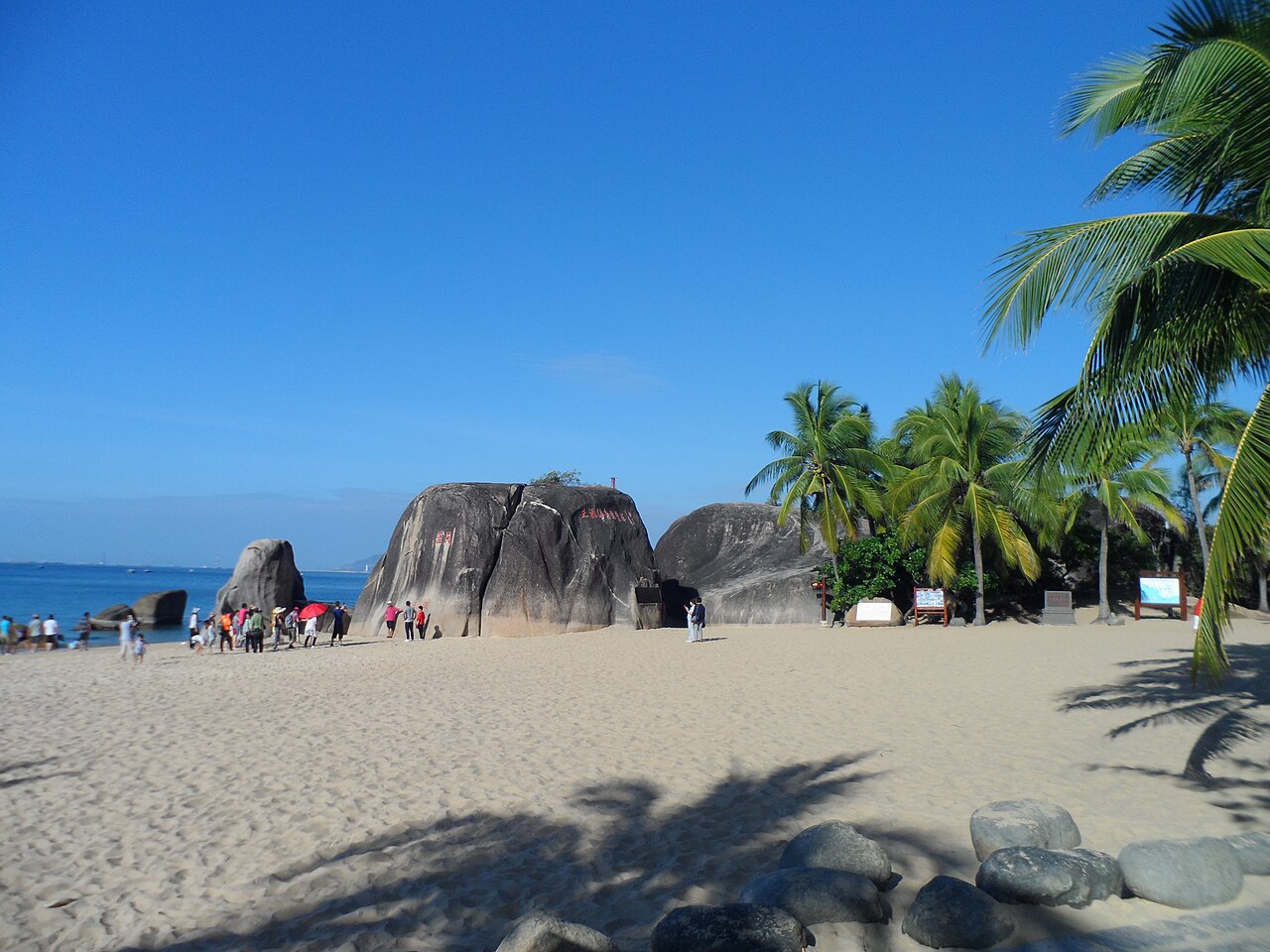
Tianya Haijiao lies west of the city center, at the southernmost corner of Hainan Island. The characters "Tianya," meaning the edge of the sky, are carved on one boulder, inscribed in 1733 by Cheng Zhe, the prefect of Yazhou. The "Haijiao," the corner of the sea, was cut in 1939. The Nantian Yizhu (Southern Sky Pillar) stone was inscribed in 1909. All three stand among the boulders at the waterline, with the Sun-Moon Rocks nearby as the other familiar sight. Beaches here run for several kilometers and shells wash up readily. Officials exiled to Hainan in past dynasties often left verses on these rocks, and the carvings were listed as a Hainan provincial cultural relic in 2009. Since June 1, 2023, the Tianya Haijiao zone has been free to enter. The Chinese phrase "walking to the edge of the sky and the corner of the sea" is about reaching the end of the world, and this is the place that image lives in. It is about half an hour by car from downtown — a good first stop in Sanya.
Nanshan Cultural Tourism Zone
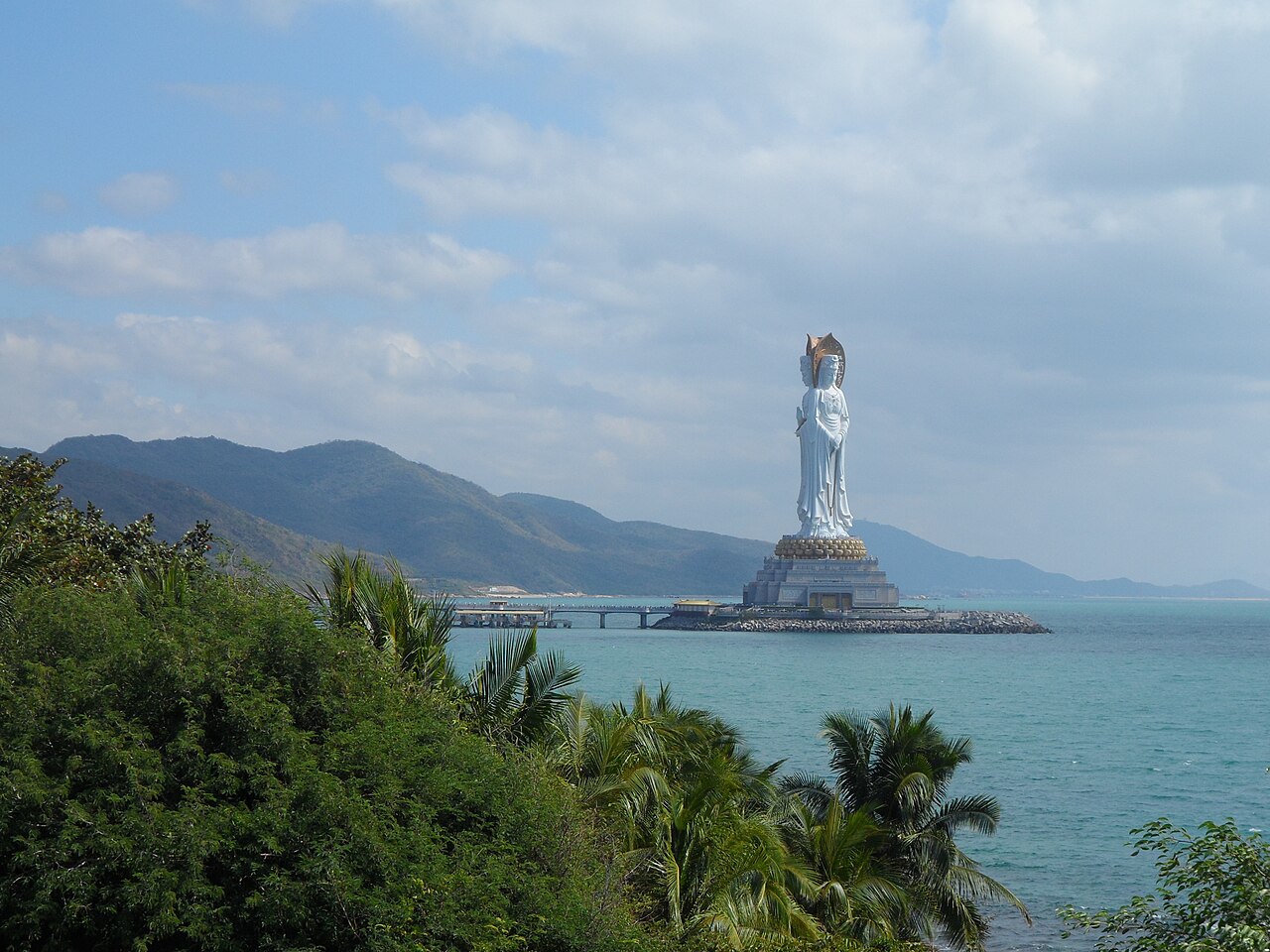
The Nanshan Cultural Tourism Zone sits at the foot of Nanshan Mountain west of the city and became a national 5A scenic area in 2007. In 1993 the State Council's Religious Affairs Bureau and the Hainan provincial government approved the building of Nanshan Temple and a 108-meter statue of Guanyin to stand in the sea before it. Construction began in 1999, and the consecration ceremony was held on April 24, 2005. The statue has one body with three faces and stands on Jingang Islet in the sea, linked to the shore by the Puji Bridge. In Buddhist tradition Guanyin made twelve vows, and the second was to dwell forever in the South Sea, which is why the name Guanyin of the South Sea spread so widely. The grounds are heavily wooded; Nanshan Temple was built in the 1990s, and the vegetarian meals are well known. The zone is large, with a mature shuttle-bus route, so it suits visits with elderly family members. Ticket and shuttle prices follow official notices.
Luhuitou
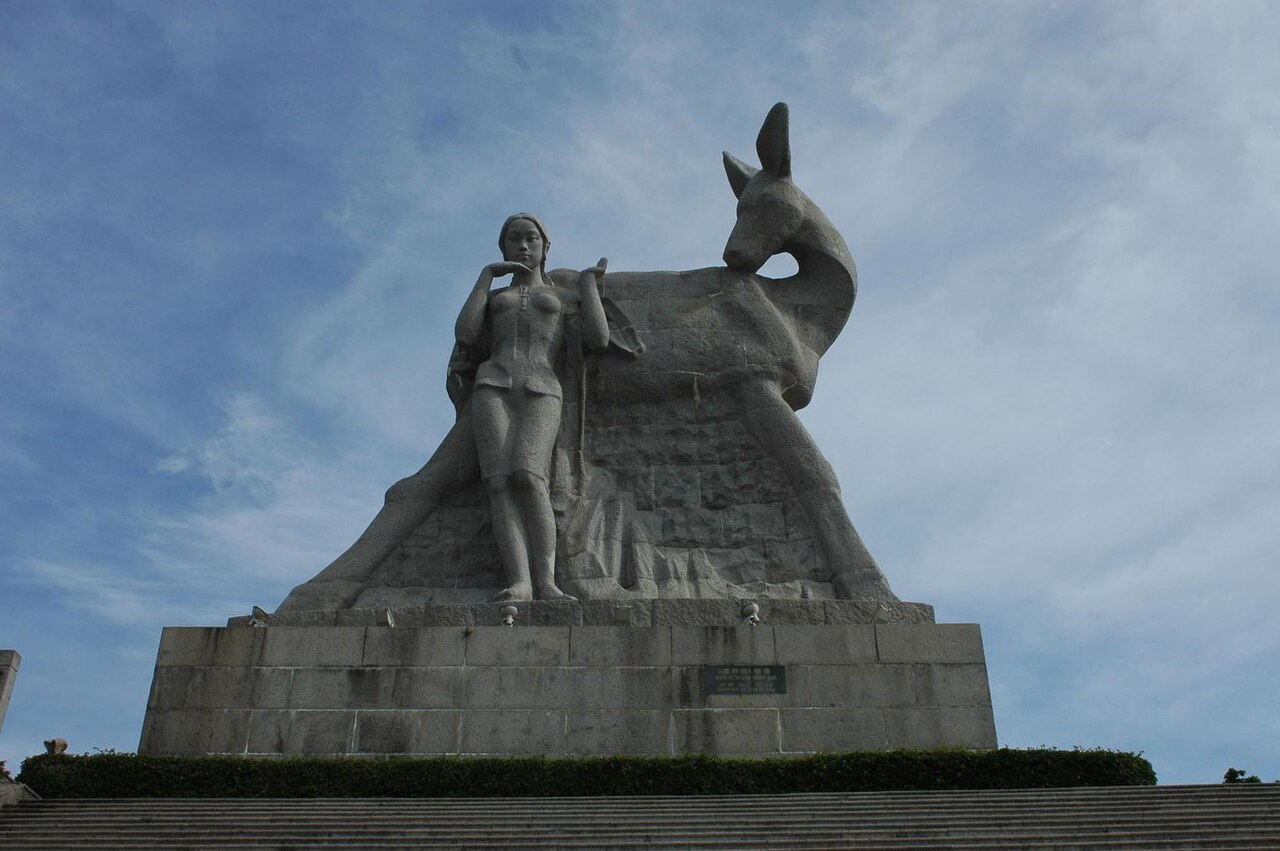
Luhuitou is a ridge that runs into the sea south of the city, facing downtown across Dadonghai. The legend says a young Li hunter chased a deer to the water's edge, where the deer turned around and became a Li girl; the two settled here, and Sanya took the name Deer City. On the hilltop stands a sculpture of the deer turning its head, the work of the Hainan sculptor Lin Yuhao based on this story. From the summit you see Sanya Bay, Dadonghai, and the whole city at once, and the light is best at sunset. A road and shuttle reach the top, and the walk up takes half an hour or so. It is close to the center and crowded in the evening; tickets follow official notices.
Dadonghai
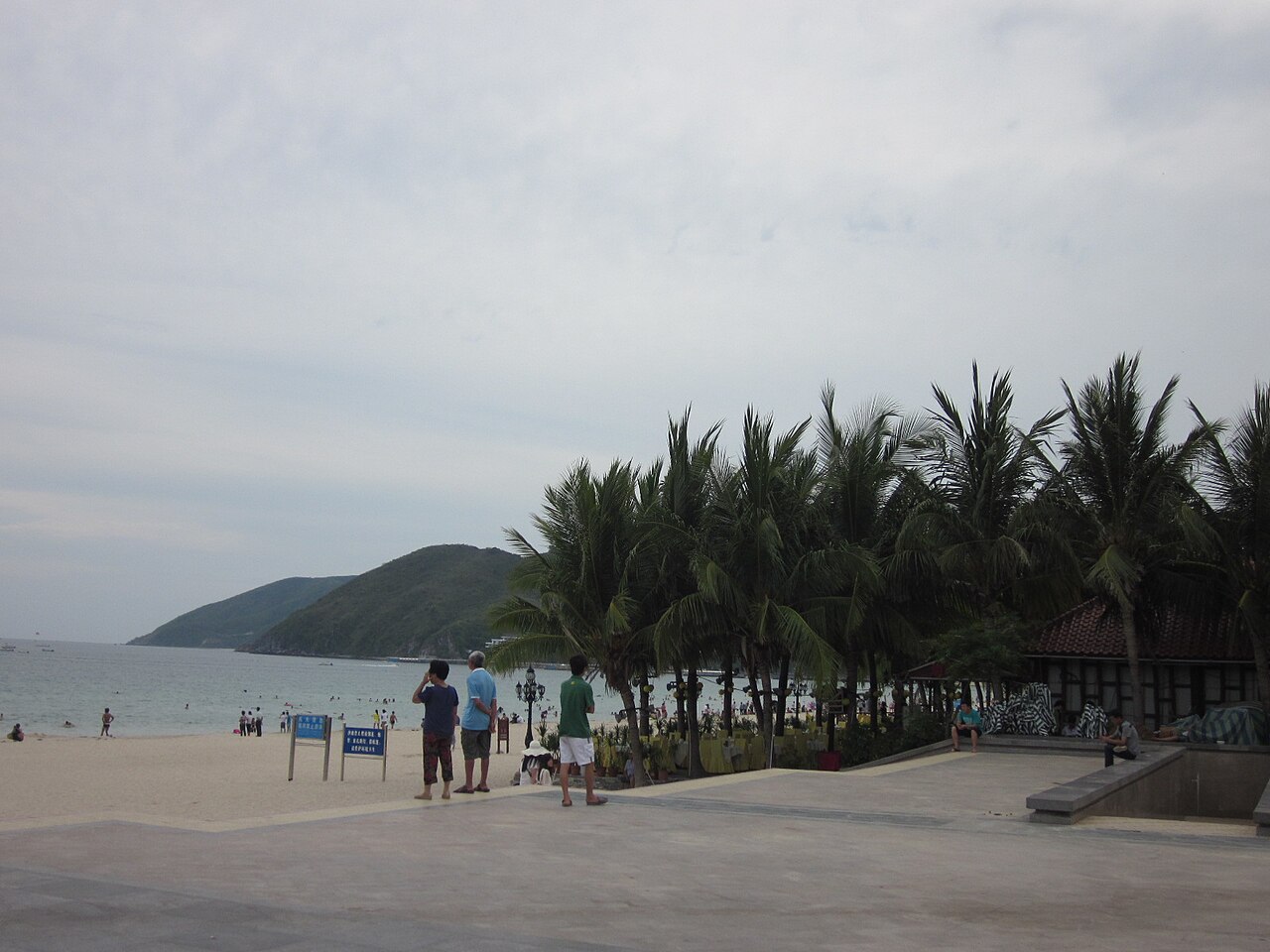
Dadonghai lies southeast of downtown, the beach closest to Sanya's center. The sand runs about a kilometer, and even in winter the water stays around 20°C, so swimming works year-round. Palm groves line the shore and green hills rise behind; facilities are complete, with rings, loungers, and umbrellas to rent on the spot. The one thing to respect is the current — this stretch has rip currents and eddies, so stay inside the marked swimming zone. Local news has covered several drowning accidents here. Luhuitou sits right next door to the west, so the two go well together. In the evening the night market and food stalls along the shore get lively — the easiest place to feel Sanya's nightlife.
Yalong Bay
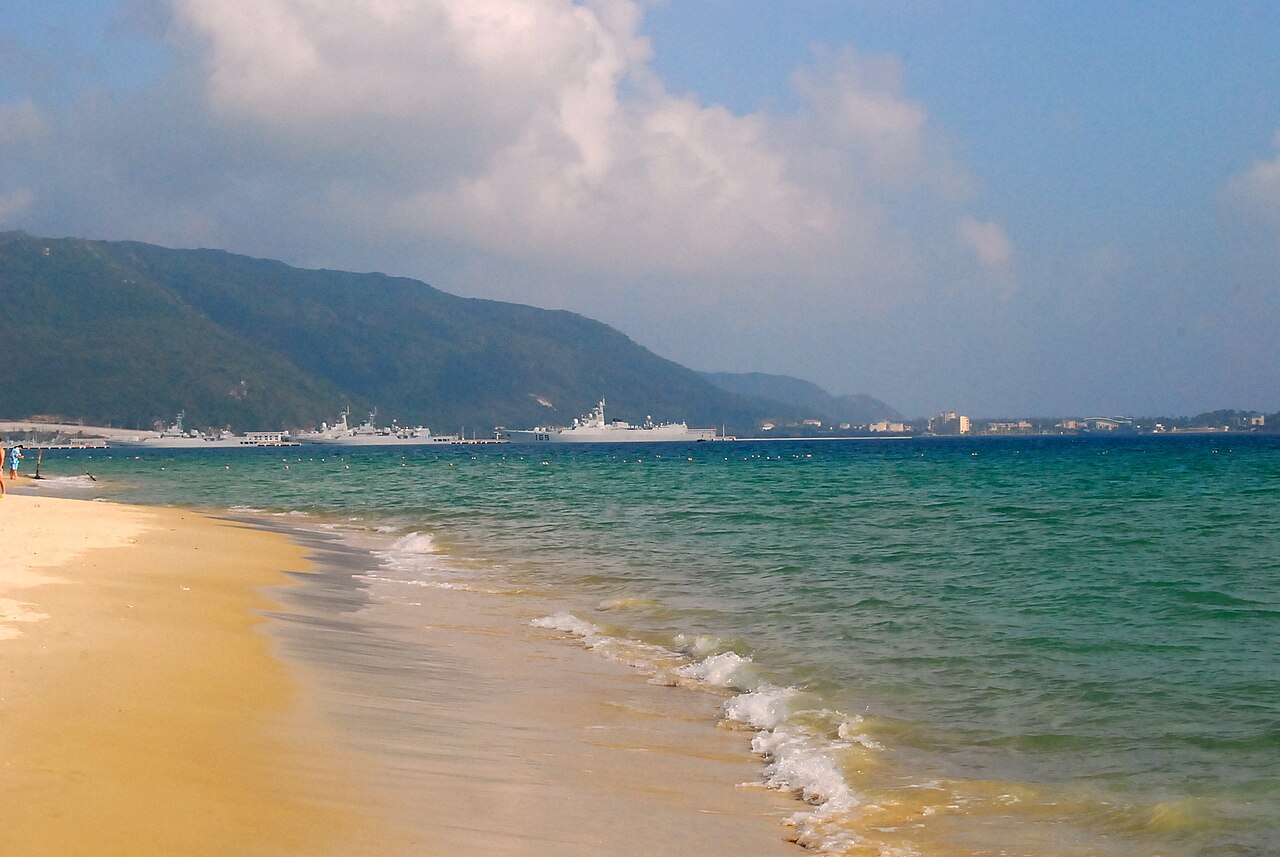
Yalong Bay lies southeast of the city in a crescent shape with seven kilometers of fine silver-white sand. The water is clean, shading through several blues within swimming distance of the shore, and the coral below is rich enough to be part of the Sanya Coral Reef National Nature Reserve — good for snorkeling. A line of upscale resort hotels runs along the coast, and the bay has been called the Hawaii of the East. In winter the air runs about 27°C and the water 20°C, which made this one of China's original winter escapes. Water sports are plentiful: jet skis, sailing, and banana boats. The public beach is free; hotel guests get their own sections. The Yalong Bay Tropical Paradise Forest Park climbs the hill behind and looks down over the whole bay from its boardwalks.
Wuzhizhou Island
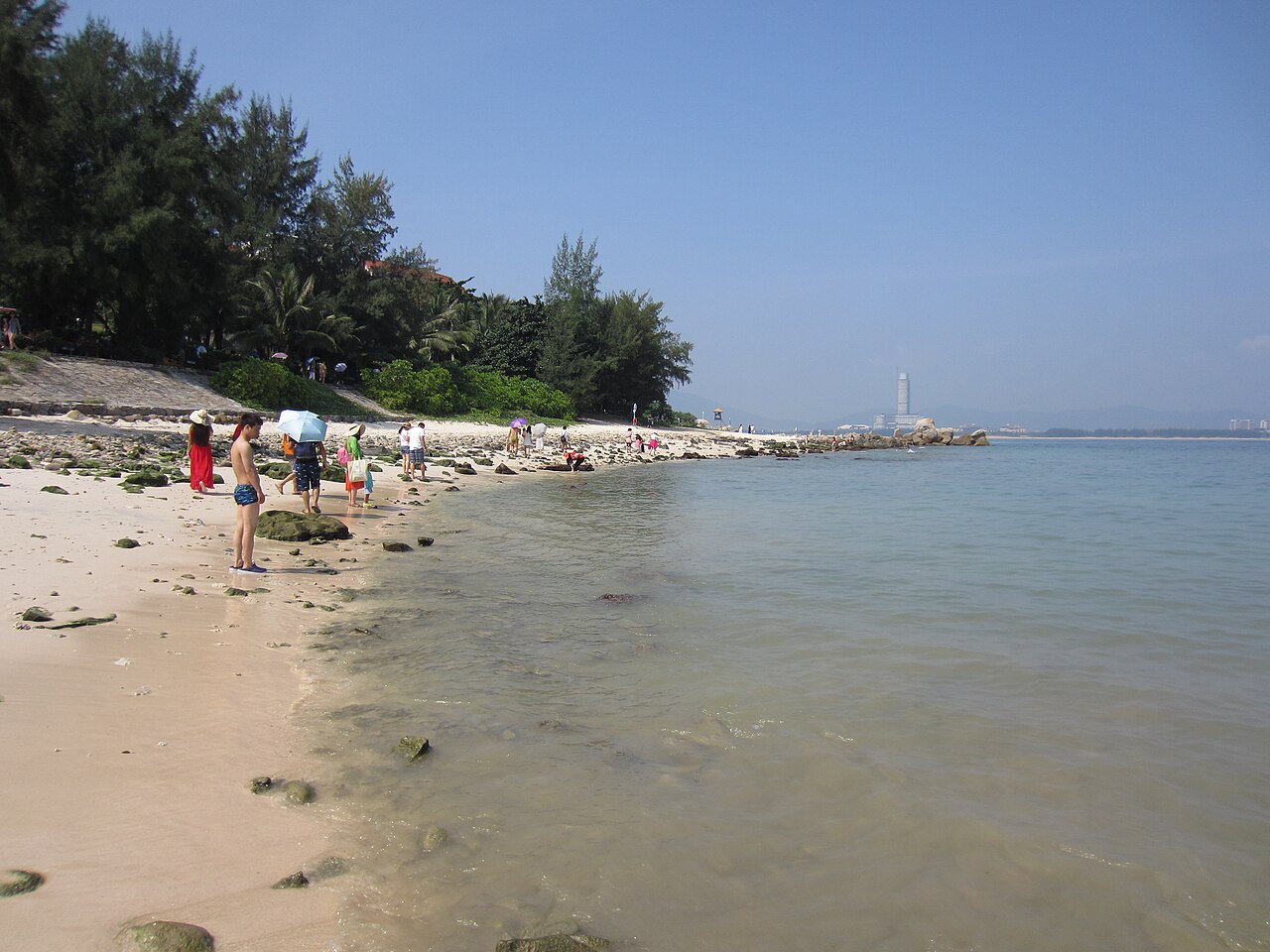
Wuzhizhou Island lies in Haitang Bay northeast of the city, 2.7 kilometers offshore with an area of 1.48 square kilometers, and is a national 5A scenic area. The water around it is clear and the coral well preserved; it is Sanya's most concentrated base for diving and sea sports, with island shuttle buses, snorkeling, scuba, and jet skis all available. The ferry from the Haitang Bay pier takes about twenty minutes. There are places to eat and stay on the island; the smoothest plan is to arrive in the morning, circle the island and dive, and return in the afternoon. Ferry service depends on weather and sea conditions and stops around typhoons — check the announcements first. The sun is fierce; bring plenty of sunscreen.
Eating in Sanya
Seafood is the first subject on any Sanya table. At the First Market you buy your own catch and have a processing stall cook it to order — the classic Sanya way for years. Settle the unit price and the cooking fee before you commit. Qingbuliang is a coconut-milk dessert with red beans, watermelon, taro balls, and the like, a cooling bowl after any meal. Baoluo rice noodles are a common Hainan breakfast, with a rich gravy, sour bamboo shoots, and dried beef. Coconut rice steams sticky rice inside coconut meat, sweet and soft. Tropical fruit can be loaded up in one stop at the downtown stalls: mango, jackfruit, rambutan, and wax apple all come in season. Restaurant prices float a lot; in the high season seafood stalls tend to mark things up, so pick places with displayed prices and confirm the total before ordering.
How to arrange the route
Five days is comfortable; four can cover the main points.
Day one, arriving in Sanya: stay in Dadonghai or downtown. Swim at Dadonghai in the afternoon, watch the sunset from Luhuitou in the evening, and wander the Dadonghai night market after dark.
Day two: Tianya Haijiao in the morning, then Nanshan Cultural Tourism Zone in the afternoon — the temple and the statue deserve most of a day. Back to downtown for seafood at night.
Day three, all for Yalong Bay: beach and water in the morning, water sports after lunch, or the forest park boardwalk above the bay.
Day four: Wuzhizhou Island for the day — diving or the island loop — and the First Market on the way back.
Day five: a final swim at Sanya Bay, a 22-kilometer stretch of shallow calm water lined with coconut palms. Then fly out in the afternoon. If time is short, pick one of Nanshan and Wuzhizhou.
Things to confirm before you go
- Typhoon season runs June to October; check the forecast and flight status before leaving, and know that island ferries stop in rough weather.
- Dadonghai has rip currents; swim only in the marked zones and mind the lifeguards and warning flags.
- Chinese New Year and National Day are Sanya's most crowded weeks, with expensive hotels and flights — book early.
- Both Wuzhizhou and Nanshan are big; wear comfortable shoes and reapply sunscreen.
- Ticket, ferry, and shuttle prices can change at any time; follow official notices.
Frequently asked questions
How many days for Sanya?
The city plus the main bays works well in five days. With only three or four, drop Nanshan or Wuzhizhou and the pace gets much easier.
When is the best time to visit Sanya?
October through March. The dry season brings clear days and swimming is fine in winter; the crowds are thickest around Chinese New Year. June to October is the wet and typhoon season, when beach plans depend on the weather.
Wuzhizhou or Yalong Bay?
For diving and coral, choose Wuzhizhou. For staying in a beach resort and playing with water sports, choose Yalong Bay. With time for both, give each a full day — they are far apart.
Does Tianya Haijiao charge admission?
The zone has been free since June 2023; the shuttle and other rides inside charge separately, per official notices.
Sources
The facts in this article were checked against the following Chinese Wikipedia entries, retrieved August 26, 2026.
- Sanya (city) https://zh.wikipedia.org/wiki/三亚市
- Tianya Haijiao https://zh.wikipedia.org/wiki/天涯海角
- Yalong Bay https://zh.wikipedia.org/wiki/亚龙湾
- Wuzhizhou Island https://zh.wikipedia.org/wiki/蜈支洲岛
- Dadonghai https://zh.wikipedia.org/wiki/大东海
- Luhuitou https://zh.wikipedia.org/wiki/鹿回头
- Sanya Bay https://zh.wikipedia.org/wiki/三亚湾
The Chinese Wikipedia entry for the Nanshan Cultural Tourism Zone is incomplete; its 5A status, the statue's height, and the consecration date were verified through additional web research.
All photos are from Wikimedia Commons, used under CC licenses or public domain; re-use requires attribution where noted.
- sanya-tianya.jpg from File Tianya_Haijiao.jpg, by 钉钉 (Dingding), taken January 9, 2017, CC BY-SA 4.0
- sanya-nanshan.jpg from File Guanyin_of_the_South_Sea_of_Sanya,_China.jpg, by 钉钉 (Dingding), taken January 9, 2017, CC BY-SA 4.0
- sanya-luhuitou.jpg from File Luhuitou.JPG, by Brookqi, taken June 2008, public domain
- sanya-dadonghai.jpg from File Dadonghai_09.JPG, by Huangdan2060, taken May 7, 2013, CC BY 3.0
- sanya-yalong.jpg from File Yalong_Bay_2007.JPG, by Shizhao, taken December 2007, CC BY-SA 3.0
- sanya-wuzhizhou.jpg from File Wuzhizhou_Island.JPG, by 我乃野云鹤 (Yeyunhe), taken October 9, 2016, CC BY-SA 4.0